
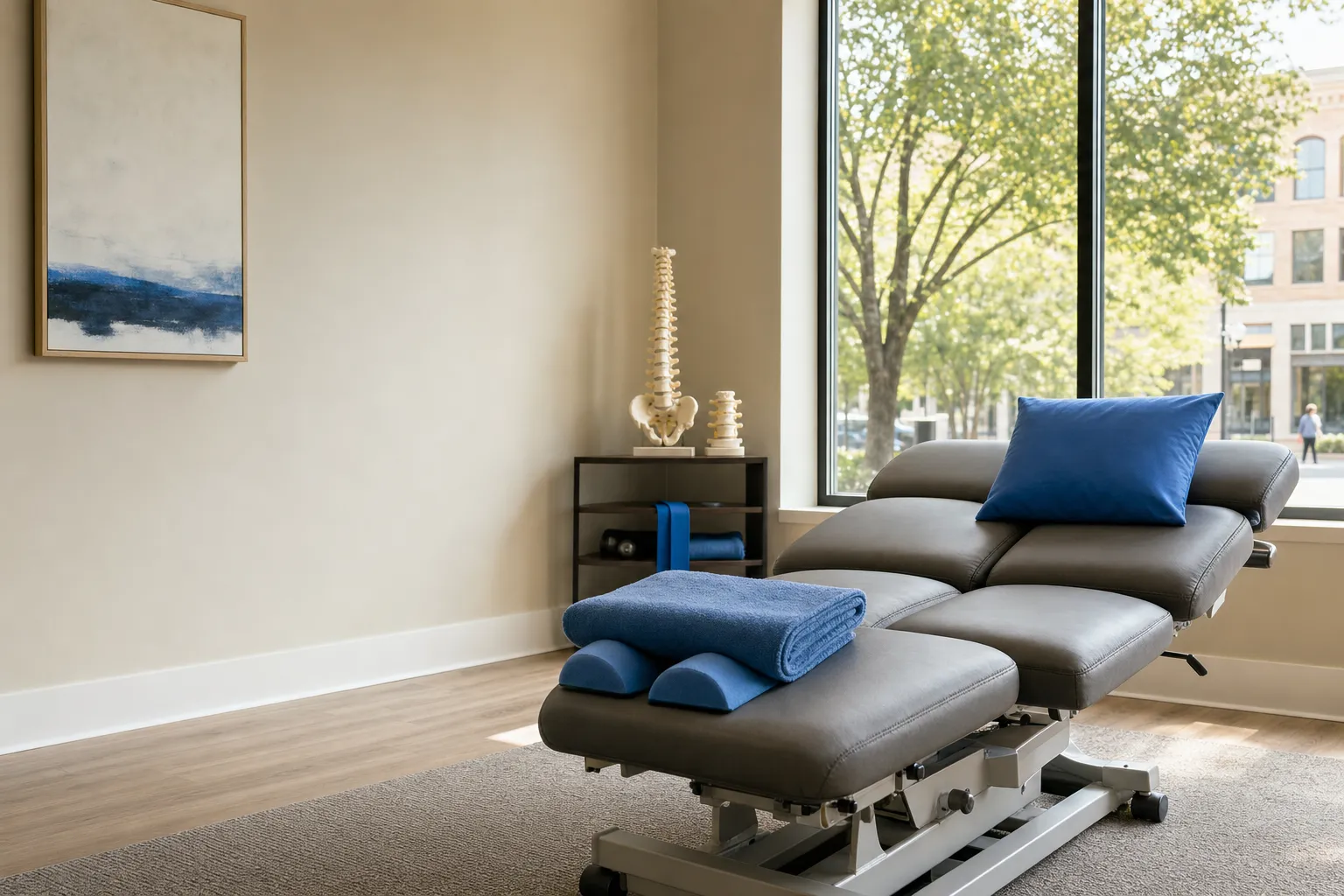
During a chiropractic review we assess your progress, update your treatment plan, and decide how often you need adjustments based on exam findings, function, and goals. In the first part of the visit we confirm symptoms, measure movement and strength, and compare that to your starting point so we can recommend the right adjustment frequency for your situation.
Why we do regular chiropractic reviews
We run structured reviews so care is practical, measurable, and tailored to your goals. A review is where we check whether spinal adjustments, corrective exercises, and lifestyle guidance are improving mobility, reducing pain, or helping you return to sport or daily tasks. Reviews prevent open ended care plans and make sure we are moving you toward clear milestones instead of repeating the same treatment without progress.
At Freedom Chiropractic and Wellness, led by Dr. Dan VanderWeit, a licensed chiropractor in Lake Geneva, Wisconsin, our reviews combine a hands on exam with movement testing and patient reported measures. That mix helps us decide adjustment frequency, what techniques to use, and whether to add exercises, nutrition or a referral.
What happens during a typical review visit
- Check in and symptom update. We start by asking what changed since your last visit, how pain or function scores compare to the start of care, and whether any new events or injuries occurred.
- Objective measures. We retest range of motion, joint play, strength, balance, and any special orthopedic or neurologic signs we tracked before. These numbers guide the frequency decision.
- Movement quality and function. We watch how you squat, hinge, walk, or throw if relevant. Improvement in movement quality often lets us lengthen intervals between adjustments.
- Hands on assessment. We reassess spinal and extremity joints to find persistent restrictions or irritations that still need regular attention.
- Treatment and response note. If an adjustment is appropriate that day, we deliver it and note how you respond during and after. Immediate response helps confirm the planned frequency.
- Plan update. We translate the review into a clear plan: number of visits over the next phase, focused home exercises, and objective goals to hit before reducing frequency.
How we choose adjustment frequency
We balance injury severity, tissue healing timelines, functional goals, and lifestyle. There is no single right frequency for everyone, so we use these factors to create a realistic schedule:
- Stage of the condition: acute injuries typically need more frequent visits than long term maintenance.
- Objective improvement: if range of motion and pain scores improve consistently, we reduce visit frequency.
- Activity demands: athletes or weekend warriors often need more frequent adjustment during training blocks.
- Comorbidities and age: seniors and people with complex health issues may require a different pace.
- Patient goals: returning to sport, eliminating daily pain, or maintaining mobility influence the plan.
We explain the expected timeline for each phase so you understand why we schedule visits more or less often.
Typical adjustment schedules and examples
These examples show common patterns we use. Your plan will be individualized during a review.
- Acute back or neck pain. 1 to 3 visits per week for the first 2 to 6 weeks while inflammation and movement restrictions settle, then reassess.
- Post injury or auto injury recovery. More frequent early visits with a structured taper tied to functional milestones like returning to work or driving.
- Sports performance phase. Weekly or biweekly adjustments during heavy training, then monthly maintenance in the off season.
- Chronic or maintenance care. Every 2 to 8 weeks depending on how stable your results are and how actively you manage mobility and strength at home.
- Pregnancy related care. We set frequency around symptom relief and comfort, often spacing visits to match trimester changes and activity.
Those timeframes are a clinical starting point. The review visit is where we confirm whether you fit one of these patterns or need a different pace.
Pro tip: Track one or two simple measures between visits, such as standing tolerance, a pain scale, or a movement you want to improve. That data makes reviews faster and more accurate.
Indicators we will increase or decrease frequency
During reviews we look for clear signs to change the schedule.
- Reasons to increase frequency: worsening pain, new neurologic symptoms, plateaus in measurable improvement, or high activity loads that aggravate symptoms.
- Reasons to decrease frequency: steady objective gains, sustained symptom reduction, improved movement patterns, or confident home self care.
What we do not do during a review
We do not extend care without evidence of benefit. If the review shows limited progress or red flags, we document findings and discuss next steps, which may include imaging or co management with another specialist. We only continue a schedule when it is meaningful for your recovery or maintenance goals.
How we measure progress between reviews
We use simple, repeatable measures to keep the plan objective. Examples include pain scales, range of motion tests, single leg balance, and functional tasks like a timed walk or squat. These measures tell us whether to keep the same frequency, step back, or increase intensity.
When applicable, we integrate targeted stretching, corrective exercises, and nutrition guidance to support long term results rather than rely solely on adjustments. Those elements are part of what we review and adjust over time.
What to bring and how to prepare for a review
Before your review bring
- A short list of workouts, activities, or events since your last visit that affected symptoms.
- Notes on any home exercises or stretches you tried and how they felt.
- Relevant imaging or recent reports if you saw another provider since your last visit.
Arrive wearing comfortable clothes that let us observe movement. Being prepared helps the review produce a specific plan for adjustment frequency and home care.
Watch out: If you develop new numbness, progressive weakness, saddle anesthesia, or bowel or bladder changes, tell us immediately. Those are signs we may need urgent imaging or referral to another specialist rather than a routine adjustment schedule.
How reviews differ for special populations
Athletes
Athletes often need reviews timed around training and competition. We may use more frequent visits during heavy training weeks and fewer during recovery periods, always tied to performance and injury prevention goals. See our page on sports chiropractor services for more on how we work with athletes.
Pregnant patients
Pregnancy changes biomechanics. We set frequencies around comfort, safety, and changing goals, and we monitor closely for any signs that need different care.
Seniors and complex cases
Older adults and people with multiple health issues require reviews that emphasize safety, graded progress, and coordination with other providers.
How often do other organizations recommend reviews
Professional organizations stress individualized care plans and measurable goals rather than one fixed schedule. For background on the chiropractic role and care planning see the American Chiropractic Association guidance on professional practice. The Bureau of Labor Statistics also describes the scope of chiropractic work and patient care roles.
(Sources: American Chiropractic Association, Bureau of Labor Statistics.)
Step by step what to expect in your next review
- Arrival and update. Brief symptom and activity check in so we know what to focus on.
- Objective retesting. Quick movement and strength checks compared to your baseline.
- Hands on reassessment. Manual evaluation of the spine and joints to confirm persistent restrictions.
- Adjustment if indicated. We perform the chosen technique and note immediate response.
- Plan revision. New adjustment frequency, exercises, and milestones are set and recorded.
Key takeaway
We use reviews to match adjustment frequency to your objective progress, activity needs, and recovery stage. Reviews keep care focused on measurable goals so you spend time getting better, not repeating treatments without purpose.
Related topics and services
To learn more about ongoing schedules and what to expect from different techniques see our topic page on Adjustment Frequency. If you want a deeper look at the hands on care we provide see our Chiropractic Adjustment service page. To understand how we serve the local community, visit our Lake Geneva location page at Freedom Chiropractic and Wellness in Lake Geneva.
Frequently asked questions
How soon will we change my adjustment frequency?
We usually change frequency when objective measures or symptoms show consistent improvement or decline. That often happens within 2 to 6 weeks for acute conditions, but the exact timing depends on your goals and the review findings.
Will a review always include an adjustment?
No. A review may result in no adjustment if we determine that rest, exercise, imaging, or referral is the safer or more effective next step. The decision is based on your exam and symptoms at the time of the review.
How do you measure progress between reviews?
We use repeatable tests such as range of motion, strength checks, balance, and simple functional tasks, along with patient reported pain and function scales. Tracking one or two simple measures at home also speeds up meaningful decisions during reviews.
What if I am an athlete wanting to adjust frequency around training?
We schedule reviews to match training cycles. During heavy training we may increase frequency to optimize performance and recovery, then taper to maintenance when appropriate. We coordinate exercises and movement work to reduce injury risk while modifying visit frequency as you progress.
When will you refer me for imaging or to a specialist?
We consider imaging or specialist referral when reviews show progressive neurologic deficits, unexplained weight loss, fever with back pain, trauma, or when progress stalls despite appropriate care. We document findings clearly and explain the rationale before referring.
Learn more and check our local profile
Read patient reviews and get directions on our Google Business Profile, and explore other pages to learn how we approach care. Helpful pages include our Chiropractor service overview and the topic page on Adjustment Frequency.
Freedom Chiropractic and Wellness is led by Dr. Dan VanderWeit and serves Lake Geneva and nearby communities with licensed chiropractic care focused on measurable progress and lasting results.