
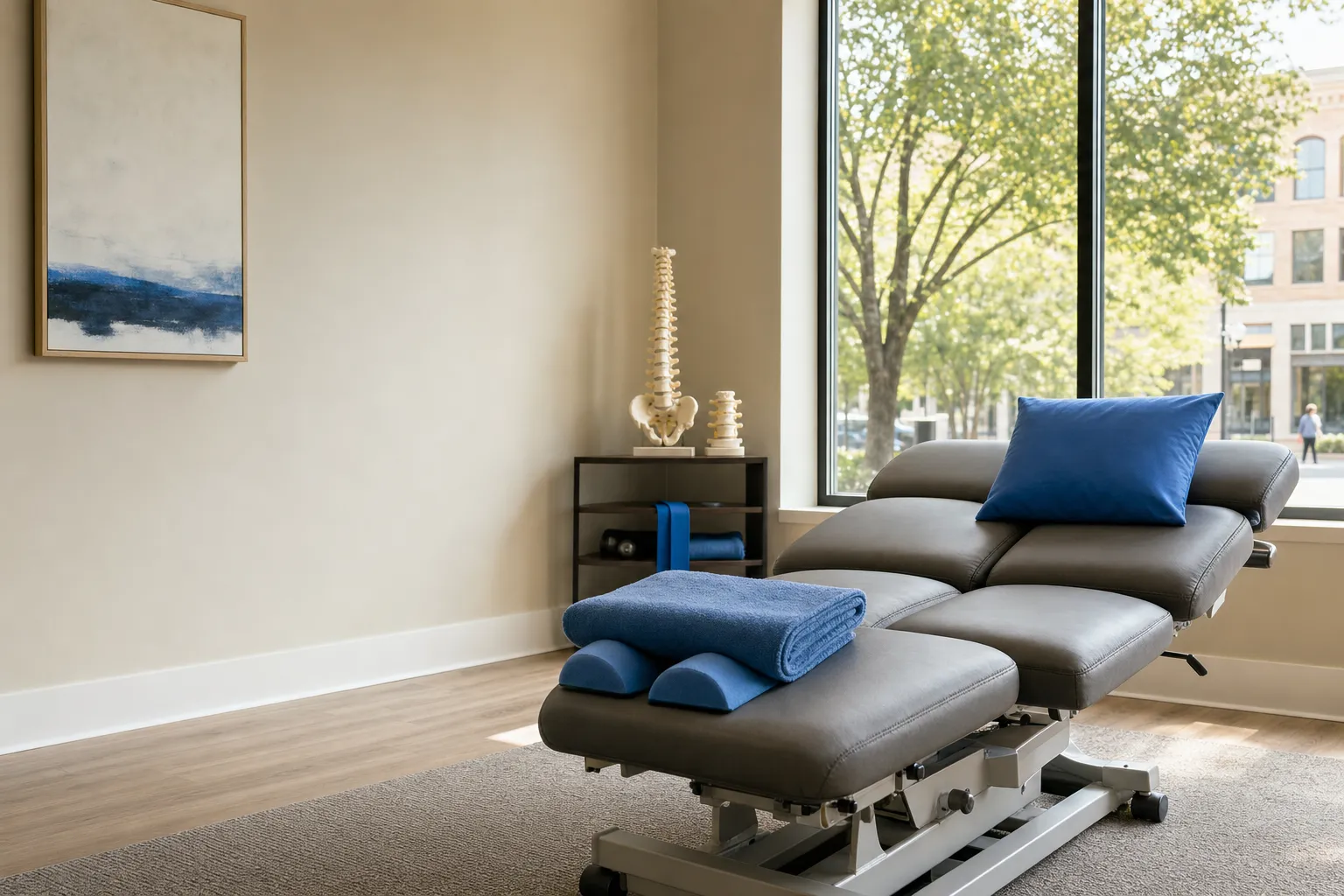
Yes. Chiropractic care is safe for most people when a licensed practitioner evaluates your health history, conducts a focused exam, selects an appropriate technique, and monitors progress. At Freedom Chiropractic and Wellness in Lake Geneva, Wisconsin, we follow a structured safety process led by Dr. Dan VanderWeit, a licensed chiropractor, to minimize risk and help you get measurable improvement in function and pain.
What is chiropractic safety
Chiropractic safety means matching care to the individual, using evidence informed techniques, and watching for warning signs that require modification or referral. Safety covers three broad areas: the pre care screening and exam, the actual adjustment or treatment method, and the follow up plan that includes exercises, nutrition guidance, and activity modification.
For a concise definition of chiropractic and the profession, see the Wikipedia entry on chiropractic.
Why chiropractic safety matters in Lake Geneva
Local factors shape safety considerations. We treat desk workers from nearby offices, weekend athletes who use Lake Geneva parks and trails, families, and older adults in the community. Those groups bring different risks, expectations, and recovery patterns.
- Desk workers often have repetitive strain and sustained posture that makes neck and upper back screening important.
- Weekend athletes require attention to joint mechanics and return to activity planning.
- Seniors need careful evaluation for bone density concerns and balance issues.
- Pregnant patients need modified approaches that protect the abdomen and changes in pelvic mechanics.
How we keep chiropractic care safe at Freedom Chiropractic and Wellness
We use a stepwise safety approach that starts before any hands on care. Our goal is to identify what will help you, what might make things worse, and how to measure progress so care is practical and results driven.
- Medical and activity history. We review your current symptoms, past injuries, medications, and relevant medical conditions so we can spot red flags and coordinate with other providers when needed.
- Focused physical exam. This includes movement testing, neurological screening, orthopedic provocation tests, and range of motion checks tailored to your complaint.
- Imaging and referrals when indicated. If findings suggest fracture, infection, neurologic compromise, or other issues outside chiropractic scope, we refer for imaging or to the appropriate specialist.
- Technique selection and informed consent. We explain the options, risks, and expected sensations, then choose a manual or instrument based approach that fits your age, bone health, and symptom pattern.
- Measured treatment plan. We set specific, measurable goals, track outcomes, and adjust the plan rather than chasing quick fixes.
We are licensed and insured. Dr. Dan VanderWeit leads care and uses multiple spinal adjusting techniques and custom extremity adjustments to address each patient’s needs.
Key concepts to understand about safety and adjustments
- Technique matters. High velocity techniques, low force instrument approaches, and gentle mobilization each have roles depending on the person.
- Not everyone needs the same care. Two people with low back pain can have very different treatment plans based on exam findings and activity goals.
- Safety includes what happens after the adjustment. Stretching, corrective exercises, and lifestyle changes reduce reoccurrence.
- Communication is essential. We want you to report new or unusual symptoms so we can respond quickly.
Comparing common adjustment approaches
| Adjustment type | When we use it | What to expect |
|---|---|---|
| Manual spinal adjustment (hands on, controlled thrust) | Healthy joints, acute restrictions, athletic performance needs | Quick impulse, possible pop or release sensation, immediate change in motion or pain is common |
| Instrument assisted adjustment (small hand held device) | Older adults, patients who prefer low force, recent surgery with clinician clearance | Gentle taps, little to no popping, lower perceived intensity |
| Mobilization and soft tissue work | Inflamed joints, early recovery phases, when low force is safer | Slow, repeated movements, stretching, and muscle work to increase range of motion |
Who benefits most and special populations
Chiropractic care can help many people, but the approach changes with the group. We tailor care for:
- Athletes and weekend warriors, where return to play and prevention are priorities, and where sports specific mobility work is included.
- Pregnant patients, where positioning, table modifications, and gentler techniques protect both mother and baby.
- Seniors, where we screen for bone health and balance and often use lower force approaches.
- Families and children, with age appropriate adjustments and education on development and activity.
For athletes who need performance focused care, we offer sports chiropractor services and sport specific mobility coaching as part of our treatment plans.
What we ask and what you should tell us
Full disclosure helps safety. Tell us about:
- Any recent fractures, infections, cancer, or unexplained weight loss.
- Neurologic symptoms such as saddle numbness, progressive weakness, or bowel and bladder changes.
- Current medications, especially blood thinners or osteoporosis treatments.
- Pregnancy status and any complications.
Pro tip: If you have an upcoming imaging study or a report from another provider, bring it to your visit. It speeds decision making.
What to expect during a first visit
We balance thoroughness with efficiency. A typical first visit includes the history, focused exam, and, when appropriate, a first gentle treatment or a plan for imaging or referral. We emphasize clear treatment goals and measurable progress rather than open ended schedules.
What to bring to your first visit
- Brief written summary of your symptoms and how they developed
- List of current medications and recent medical visits
- Any prior imaging or specialist reports
- Comfortable clothing that allows movement
Signs we will slow down or refer you to another provider
We modify or stop chiropractic care if we find signs that need other expertise or different treatment. Common reasons for referral include:
- Neurologic deficits that are progressing
- Suspicion of fracture, infection, or cancer
- Persistent red flag symptoms that do not respond to conservative care
- Medical conditions that require co management with a physician
Common misunderstandings about safety
People often worry about serious complications. Serious events after chiropractic care are very rare. Most patients experience brief increased soreness or stiffness after an adjustment, which usually resolves within 24 to 72 hours. We minimize even those reactions by choosing the right technique and dosages for each person.
Another misconception is that chiropractic care is only for acute pain. We treat chronic conditions, help with mobility and function, and work with patients on nutrition and exercise to support long term improvement.
Related services we offer
Our safety approach extends across the services we provide. Relevant offerings include our core Chiropractor service, targeted Chiropractic Adjustment options, and Sports Chiropractor care. Each follows the same safety first process of evaluation, technique selection, and outcome measurement.
Learn more about our chiropractic adjustment options on the Chiropractic Adjustment page, and read how we approach sports focused care on the Sports Chiropractor page.
Local context and resources
Serving Lake Geneva and surrounding communities, we see injury patterns shaped by local activities, from hiking and running to weekend sports leagues. When necessary, we coordinate with local providers and imaging centers to keep care timely and safe. For workforce and occupational context about the chiropractic profession, see the U.S. Bureau of Labor Statistics occupational profile for chiropractors.
How to choose a safe chiropractor in Lake Geneva
Choosing a practitioner comes down to credentials, communication, and clear goals. We recommend looking for a licensed clinician who explains findings, presents options, and shows how progress will be measured. Our Choosing A Chiropractor topic provides a checklist you can use when comparing providers.
Pros
- Personalized technique selection
- Measured treatment goals and progress tracking
- Integration of movement, nutrition, and lifestyle advice
Cons
- Some people prefer non manual options and may need instrument or mobilization approaches
- Rarely, imaging or referral is required before starting care
Frequently asked questions
Is chiropractic safe for pregnant patients?
Yes. Pregnancy requires adjustments to positioning and technique. We use gentle approaches and table modifications to protect the abdomen and support pelvic balance. We also coordinate care with your obstetric provider when needed.
Can chiropractic make nerve symptoms worse?
If a nerve problem is progressing, chiropractic care is not appropriate until a full neurologic evaluation and, when indicated, imaging or specialist consultation. During our exam we screen for red flag neurologic signs and refer when necessary.
Are adjustments painful?
Most patients report mild to moderate relief after an adjustment. Some feel soreness or stiffness in the following 24 to 72 hours. We set expectations before treatment and choose lower force options for patients who prefer less intensity.
What does Freedom Chiropractic and Wellness do differently for athletes?
For athletes we add sport specific mobility testing, return to play planning, and targeted extremity adjustments. Our plans emphasize measurable progress so you can return to your activities safely.
Do you use imaging during the safety process?
We order or refer for imaging when clinical findings suggest it is needed to rule out fracture, advanced degeneration, or other conditions that change care. Imaging is not routine for all patients, but it is a safety step when indicated.
Key takeaway
Chiropractic care is safe for most people when it begins with a careful history and exam, uses technique selection matched to the person, and includes follow up, exercises, and lifestyle guidance. At Freedom Chiropractic and Wellness in Lake Geneva we prioritize safety, measurable goals, and individualized care under the direction of Dr. Dan VanderWeit.
Frequently asked questions
How do you screen for contraindications before an adjustment?
We review medical history, perform a focused neurologic and orthopedic exam, and refer for imaging or to other specialists when findings suggest a contraindication.
Will I need many visits to be safe?
Visit frequency depends on your condition and goals. Safety is not about fewer visits, it is about the right visits at the right tempo, with measurable progress. We set expectations at the first visit.
Learn more and check our local information
Read our topic on Chiropractic Safety to dive deeper, review our Chiropractor service for how we structure care, and see details about our Lake Geneva location to find directions and hours on our local listing. You can also explore our Choosing A Chiropractor resource to compare what matters when you make a choice.
Chiropractic Safety | Chiropractor services | Lake Geneva location | Choosing A Chiropractor