
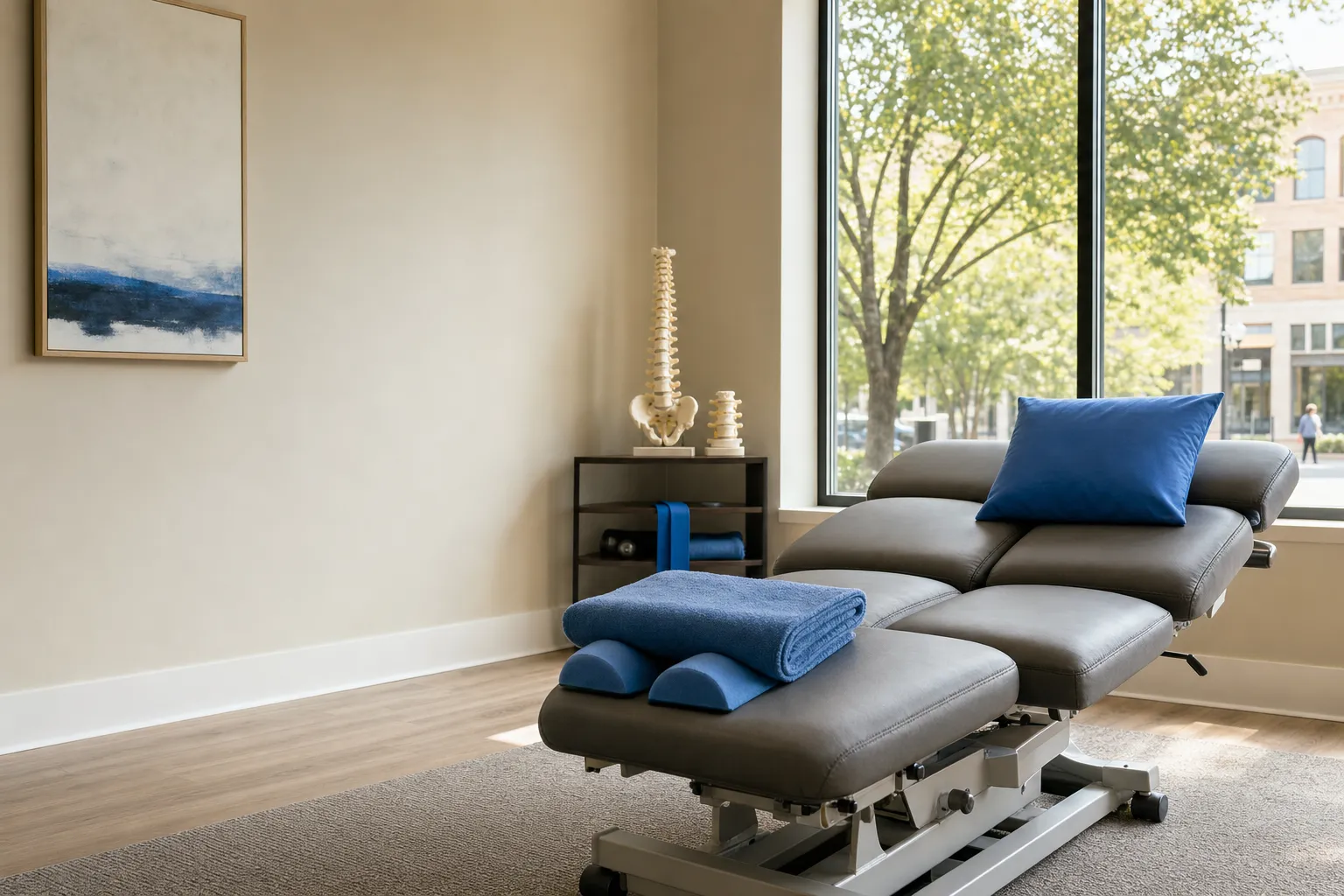
Return to play is not a single yes or no decision and it is not simply a date on a calendar. We evaluate readiness with staged tests that measure pain, strength, movement, and sport specific skills so the athlete returns safely and performs well.
What return to play actually means
When people hear return to play they often imagine a quick sign off and immediate return to full competition. In practice, return to play is a step by step process that reduces risk while restoring function. At Freedom Chiropractic and Wellness, we treat return to play as a measured progression from rest to full sport activity.
That progression includes medical clearance when appropriate, joint and soft tissue care, progressive loading, movement retraining, and monitored sport simulations. As a sports chiropractor we focus on spinal and extremity function, movement quality, and the mechanical issues that limit performance.
Three common misunderstandings we correct
- Return to play equals being pain free. Pain reduction is part of readiness, but lack of pain alone does not guarantee safe performance.
- One clearance covers everything. Clearance from a physician may focus on medical safety, while we check movement, strength, and sport specific skills.
- It is only about the injured area. Return to play requires assessing the whole athlete, including compensations, core control, and conditioning.
How we assess readiness at Freedom Chiropractic and Wellness
We follow a consistent evaluation so decisions are objective and repeatable. Our evaluation includes medical history review, hands on assessment, functional movement tests, strength and endurance checks, and sport specific drills when appropriate.
Dr. Dan VanderWeit, a licensed chiropractor in Lake Geneva, leads these evaluations. We combine spinal adjustments, custom extremity adjustments, and movement coaching to correct the physical limitations that prevent safe return to play.
Key assessment elements
- Symptom check across rest and activity levels
- Range of motion and joint mobility testing
- Strength and power comparison side to side
- Balance and proprioception drills
- Sport specific simulation at controlled intensity
Our step by step return to play progression
We use a staged progression so each step builds the readiness required for the next. The goal is measurable progress, not a rapid timeline.
- Initial assessment and stabilization. We identify acute issues, reduce unsafe movements, and establish short term goals.
- Restoration of basic movement. We restore painless range of motion and correct obvious movement faults through adjustments and movement coaching.
- Strength and conditioning. Targeted strengthening and endurance work addresses deficits that would limit safe sport participation.
- Sport specific loading. We reintroduce drills that replicate the demands of the sport at graded intensity.
- Practice reintegration. The athlete returns to controlled practice sessions while we monitor performance and symptoms.
- Full competition readiness. When objective milestones are met and coordination with any medical providers is complete, the athlete returns to competition.
Pro tip: Progress is about meeting milestones not rushing. We track simple measurable tasks so athletes and coaches know when to advance intensity.
What we watch for in common sports injuries
Different injuries present different risks during return to play. For example, concussion protocols prioritize cognitive recovery and stepwise exertion, while ankle sprains require progressive load and balance retraining. We coordinate with the athlete family and other providers to align our plan with any physician orders.
We do not replace medical clearance when it is required. For injuries that need physician oversight, such as suspected fractures or complex head injuries, we work with the athlete and the medical team to support safe progression.
Readiness checklist we use with athletes
Signs an athlete is ready to advance
- Pain is controlled and does not increase with graded activity
- Range of motion is near normal compared to the uninjured side
- Strength tests meet sport specific targets
- Balance and reactive control are restored
- Sport drills at controlled intensity do not reproduce troubling symptoms
Watch out: Returning to full competition too soon raises the risk of reinjury and longer recovery. We emphasize measured progress and objective checks rather than a calendar date.
How our treatment supports safe return to play
We combine hands on adjustment skills with movement coaching and targeted exercises. That combination improves joint mechanics, reduces compensations, and restores efficient movement patterns that athletes need to perform.
Our care plans are practical and measurable. We set clear treatment goals during the first visit and report progress in ways coaches and families can follow. Alongside adjustments, we give targeted stretching, corrective exercises, and nutritional guidance to support recovery.
Learn more about our sports chiropractic services on our Sports Chiropractor page and how chiropractic adjustment fits into care on our Chiropractic Adjustment page. For an overview of return to play as a topic, see our Return To Play topic page. To confirm we serve your area, view our Lake Geneva location information.
How we work with coaches and families
We prioritize clear communication. We give coaches objective markers to monitor during practice and provide families with at home guidance that supports the clinic plan. That collaboration shortens recovery and reduces setbacks.
When required, we coordinate care with physicians, athletic trainers, and physical therapists. For concussion management we follow widely accepted stepwise return to play approaches used by medical providers and public health organizations such as the Centers for Disease Control and Prevention.
Common objections and how we address them
Parents and athletes often say they do not want to lose playing time or that they feel fine. We respect those concerns and explain the tradeoffs. Losing a small amount of playing time to recover fully is often better than returning early and missing more time later due to reinjury.
We also address misconceptions about chiropractic care. Adjustments are one part of a larger plan. Our goal is to restore function and minimize reinjury risk through targeted care, movement training, and measurable progress.
Key takeaway
Return to play is a staged, measurable process that balances safety and performance. We assess readiness with objective tests, targeted treatments, and coordinated planning so athletes in Lake Geneva return safely and sustainably.
Frequently asked questions
How soon can an athlete start return to play activities after an injury?
Timing depends on the injury and the athlete. We begin with a thorough assessment and establish progression milestones. For some minor strains athletes begin guided activity within days, while concussions require a more conservative stepwise approach. We coordinate with physicians when medical clearance is needed.
Do we need a physician clearance before starting return to play with a chiropractor?
Physician clearance is required in some cases, such as suspected fractures or when a medical diagnosis requires oversight. For many musculoskeletal injuries we can begin conservative management and coordinate with any medical provider involved. We do not replace physician clearance when it is indicated.
Will chiropractic adjustments speed up return to play?
Adjustments can improve joint mechanics and reduce pain, which helps athletes progress through rehabilitation. Adjustments are combined with movement training and conditioning so improvements are functional and measurable.
How do you handle concussions in return to play?
We follow a stepwise progression aligned with medical best practices and public health guidance, and we coordinate with physicians. Cognitive rest, graded exertion steps, and close symptom monitoring guide progression. The Centers for Disease Control and Prevention provides widely referenced concussion guidance for youth sports.
What should coaches look for during practice as athletes return?
Coaches should watch for balance problems, altered mechanics, reduced power on the injured side, and symptoms that appear with higher intensity. We provide specific markers for coaches to monitor during staged practice reintegration.
Learn more and check our local listing
Read our topic page on Return To Play for more detail and see our Sports Chiropractor service page to understand how we support athletes. If you are in or near Lake Geneva, view our Lake Geneva location page and our Google Business Profile to read recent reviews and get directions.