
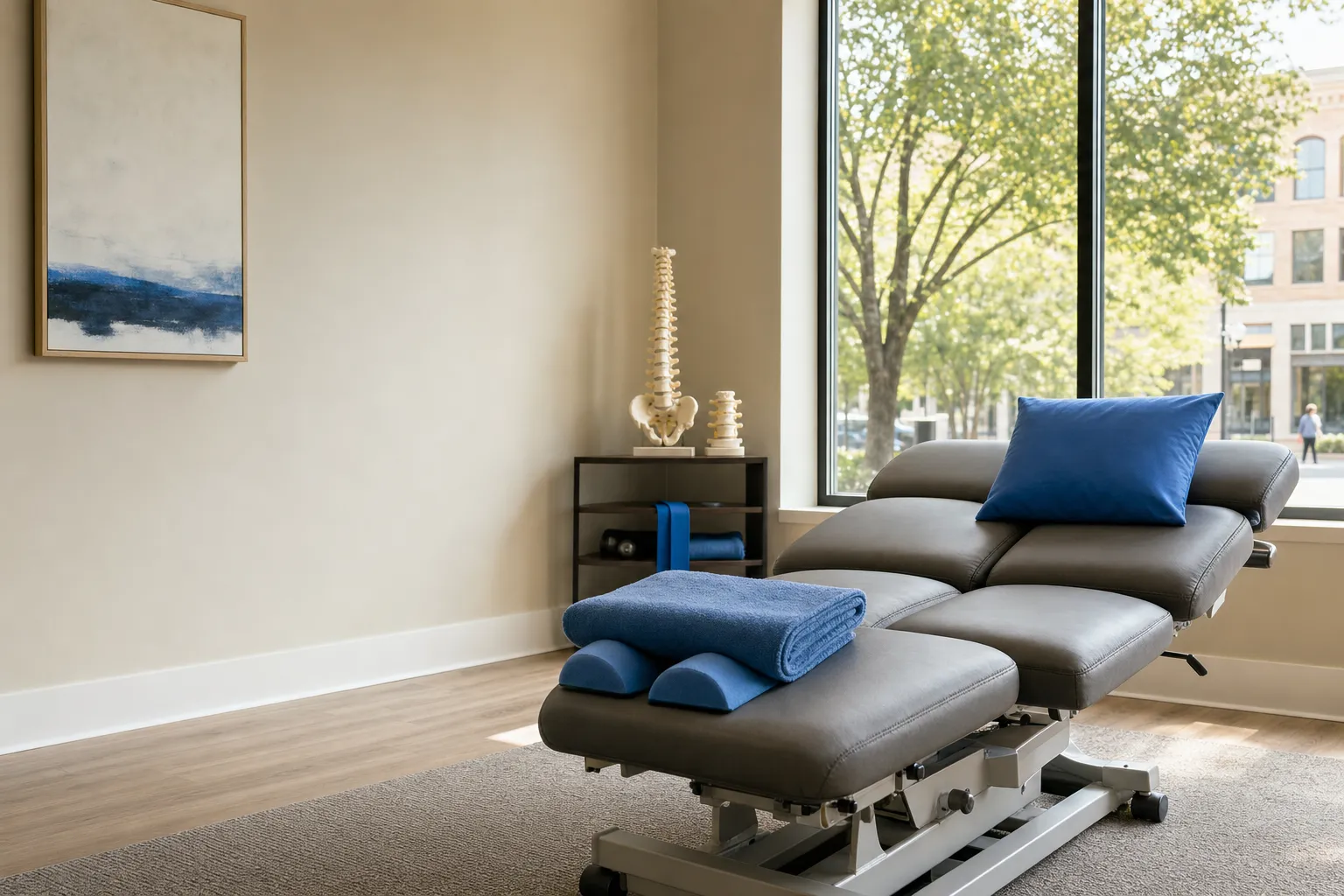
A chiropractic adjustment is the hands on spinal or joint treatment a chiropractor delivers, and aftercare is the practical guidance we give patients after that adjustment to protect the result and support recovery. At Freedom Chiropractic and Wellness in Lake Geneva we use aftercare to turn a single adjustment into measurable progress, by pairing hands on care with movement, nutrition guidance, and sensible activity plans.
What we mean by adjustment aftercare
Adjustment aftercare is the set of actions, precautions, and exercises recommended after a spinal or extremity adjustment. It covers short term steps you should follow in the hours and days after an adjustment, and longer term habits that help maintain mobility and reduce pain. Aftercare is not a single treatment. It is a strategy that helps the adjustment hold, minimizes flare ups, and speeds return to normal activity.
We tailor aftercare to each patient based on their goals, whether they are recovering from an auto injury, training for a weekend race, managing chronic low back pain, or returning to work after a neck strain.
Why aftercare matters after a chiropractic adjustment
A single adjustment changes joint position and nervous system input, but tissues and movement patterns need guidance to adapt. Without aftercare, gains from an adjustment can fade as muscles tighten or movement habits reassert themselves. Proper aftercare reduces the chance of short term soreness, supports healing of soft tissues, and helps you get back to the activities that matter to you.
For athletes, aftercare preserves mobility and reduces re injury risk. For desk workers, it teaches posture and micro movement habits that stop pain from returning. For seniors, aftercare focuses on balance and safe strengthening to protect function.
Common aftercare recommendations we use
Typical guidance after an adjustment
- A short period of gentle activity, not strict bed rest, unless advised otherwise
- Specific corrective exercises to retrain movement and stabilize the area
- Targeted stretches to reduce muscle tension around the adjusted joint
- Hydration and simple nutrition advice to support tissue recovery
- Icing or heat for short term symptom relief when indicated
- Activity modifications, for example temporary changes to lifting or sport practice
We rarely give one size fits all instructions. A person with acute low back pain gets different exercise progressions than a runner with a hamstring related joint problem. Our recommendations are practical and measurable, so you can see progress rather than guessing.
How we create an aftercare plan at Freedom Chiropractic and Wellness
We follow a consistent process to make aftercare actionable and safe.
- Assessment. We review your history, movement patterns, and the specific findings from the adjustment session.
- Short term plan. We give clear instructions for the first 48 to 72 hours, including movement limits, positions to favor, and symptom monitoring.
- Active rehab. We prescribe corrective exercises and stretches you can do at home, with progressions and objective markers to track improvement.
- Lifestyle support. We discuss sleep position, workstation adjustments, footwear, and nutrition items that affect recovery.
- Follow up and measure. We set clear goals, and schedule reviews so we can adjust the plan as you improve.
Dr Dan VanderWeit leads our approach, combining multiple spinal adjusting techniques with extremity adjustments and movement coaching to address each person rather than a diagnosis alone.
Pro tip: After an adjustment, try a few gentle movement reps that match your daily activities. Small wins, repeated and done correctly, are what make results last.
Red flags and when to pause activity
Most people feel better or have only brief soreness after an adjustment. However you should pause or seek prompt help if you have any of the following signs after care begins.
- New neurological symptoms such as numbness or weakness
- Severe or worsening pain that is unlike prior discomfort
- Fever with back or neck pain
Watch out: If you experience sudden weakness, loss of bladder or bowel control, or progressive numbness, that is an emergency and needs immediate medical attention. Aftercare does not replace urgent medical evaluation.
Practical tips for common situations
If you have low back pain
We focus on restoring normal movement and easing load on the lumbar spine. Short term steps might include paced walking, pelvic tilt drills, and avoiding heavy lifting until you regain control of your core muscles.
If you have neck pain
We emphasize posture changes, gentle ranges of motion, and targeted scalene and upper trapezius stretches to reduce tension that can otherwise pull the adjustment out of alignment.
If you are an athlete
Aftercare includes returning to sport in stages, mobility work specific to your sport, and timing practice loads to match how your tissues are adapting. Our sports chiropractor tools help us integrate adjustments with training plans.
What good aftercare looks like over time
Good aftercare produces measurable improvements in function and a reduction in symptoms. Examples include returning to full range of motion, lifting without pain, completing a run without flare up, or sitting through a full workday with less neck tension.
We track progress with simple measures so you and we know when to advance or change the plan. The objective is sustained improvement, not temporary relief.
Related topics and next reading
To learn more about the specifics of our approach, see our topic page on Adjustment Aftercare. If you want a deeper explanation of the manual treatment itself, read about our Chiropractic Adjustment service. To understand the practice and the Lake Geneva location we serve, visit our clinic page at Freedom Chiropractic and Wellness in Lake Geneva.
Frequently asked questions
How soon after an adjustment should I start exercises?
In most cases we recommend very gentle movement and corrective exercises within 24 to 48 hours, depending on symptom severity. We tailor timing to each person so exercises support the adjustment rather than overload healing tissues.
Will I be sore after an adjustment?
Some patients have mild soreness or a tired feeling for 24 to 48 hours. That is a normal reaction for many people as muscles and joints adapt. If soreness is severe or lasts longer than expected, we reassess and adjust the plan.
Can I play sports after an adjustment?
Often yes, but the return is staged. For example, we may allow light training the day after an adjustment and delay full intensity until movement control and comfort are restored. Athletes get a sport specific progression to reduce re injury risk.
What should I avoid after an adjustment?
Avoid sudden heavy lifts, extreme twisting, and activities that reproduce severe pain until you have regained control through exercises and follow up. We give concrete activity modifications based on your job and hobbies.
How long does aftercare last?
Aftercare starts immediately and can run from days to months depending on the problem. Acute issues may resolve in a few sessions. Chronic patterns need longer correction and habit change to sustain results over the long term.
Is aftercare different for older adults and pregnant women?
Yes. For older adults we emphasize balance, gentle strengthening, and safety. For pregnant women we adapt exercises and positions to comfort and safety while protecting the pelvis and low back. Dr Dan VanderWeit and our team design plans that honor those differences.
Key takeaway
Adjustment aftercare is the follow up strategy that makes a chiropractic adjustment useful beyond the clinic. We combine hands on care, targeted movement, and lifestyle guidance so adjustments lead to lasting improvement and less pain in daily life.
Learn more and check our local presence
Read patient experiences and get directions by viewing our Google Business Profile, and explore related information on our site such as the Adjustment Aftercare topic, our Chiropractic Adjustment service, and the Freedom Chiropractic and Wellness Lake Geneva page.